


Stilliving
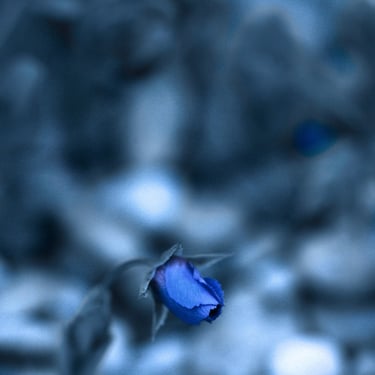
Stilliving transforms the familiar ritual of spring into something revelatory. This body of work explores wild flora not merely as botanical subject matter, but as a medium for understanding light, fragility, and the suspended moment between growth and dissolution.
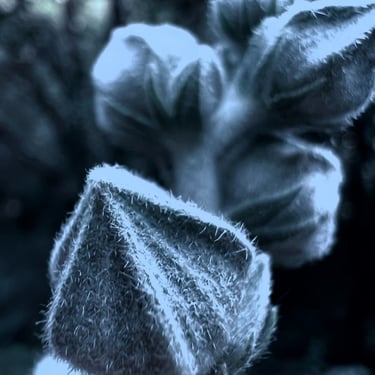
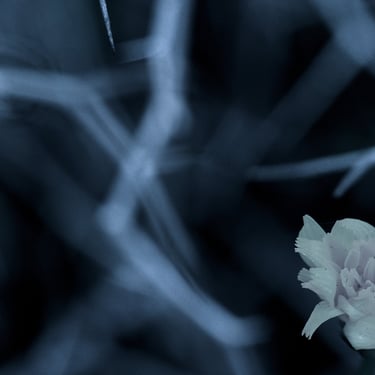
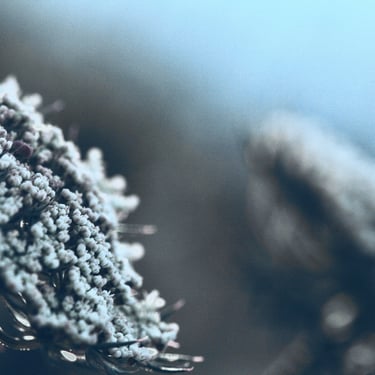
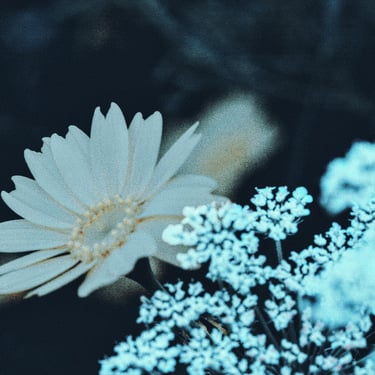
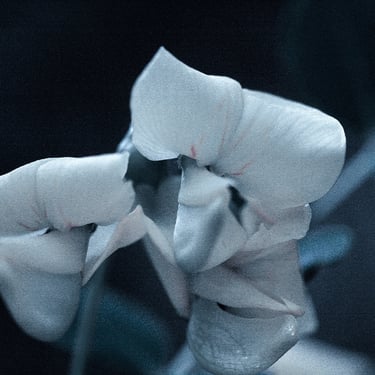
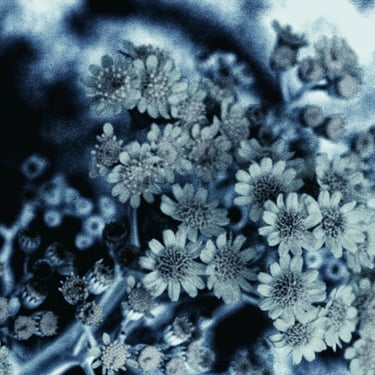
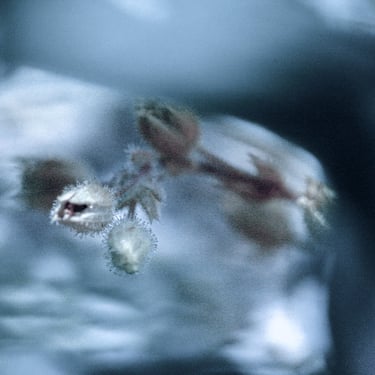
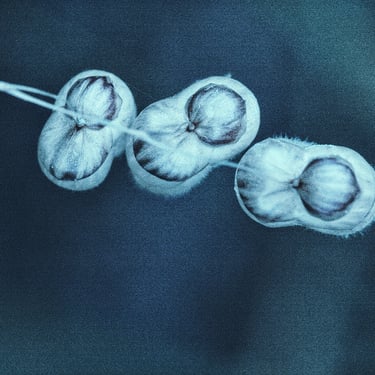
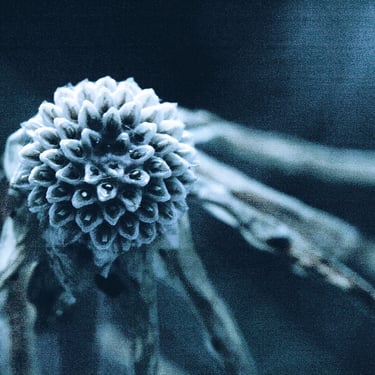
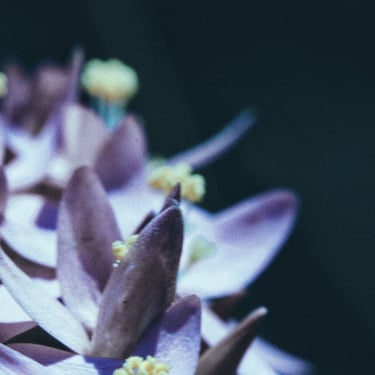
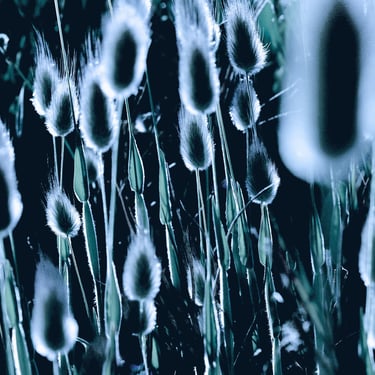
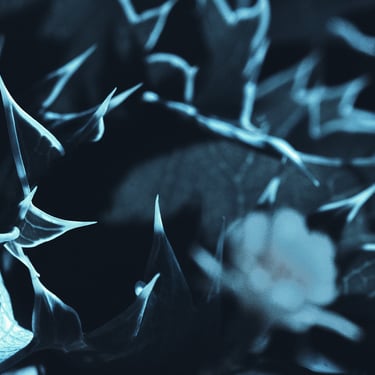
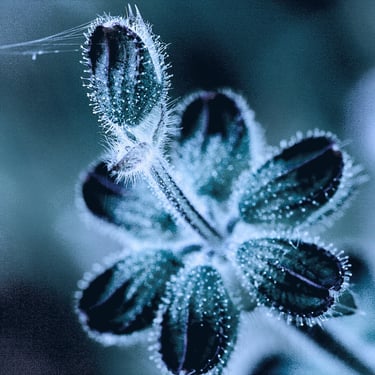
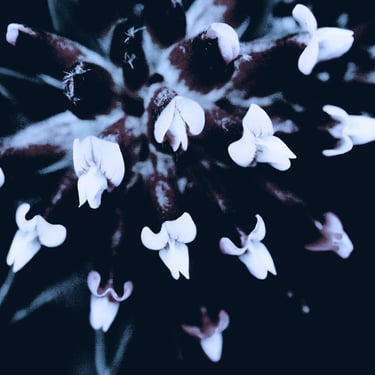
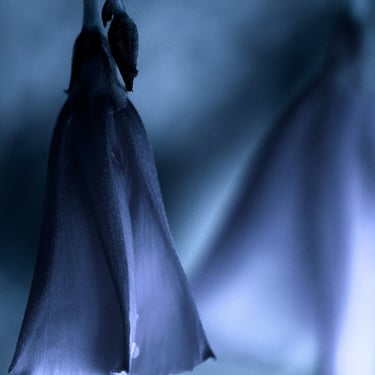
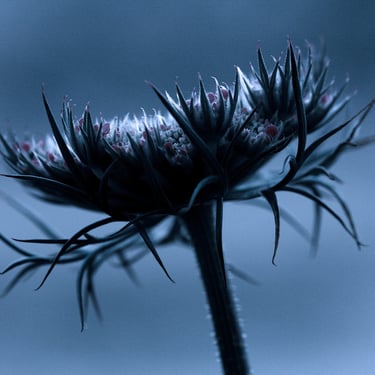
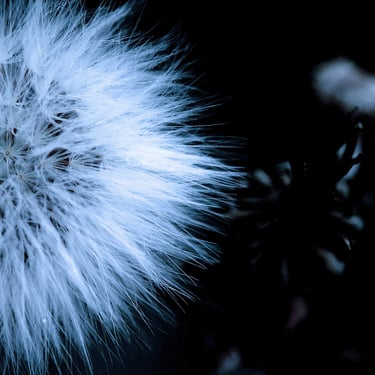
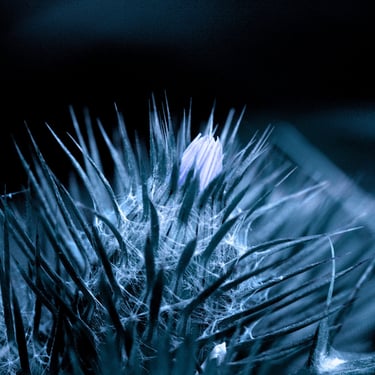
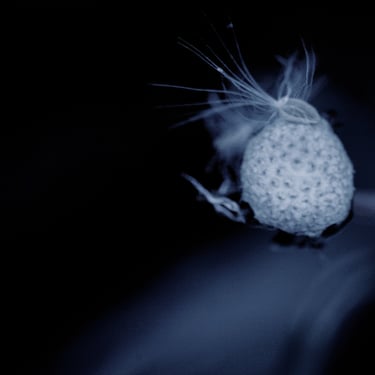
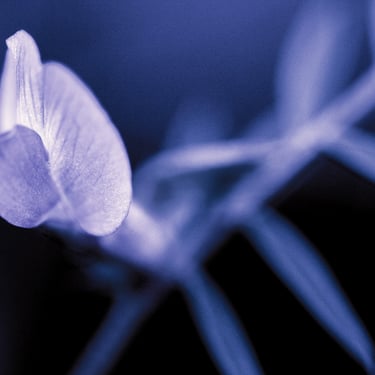
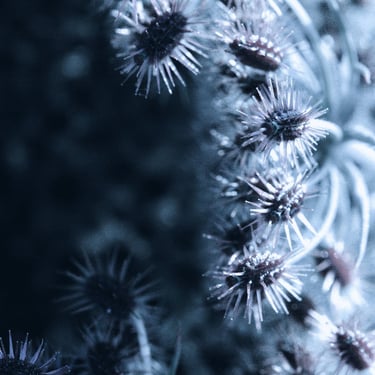
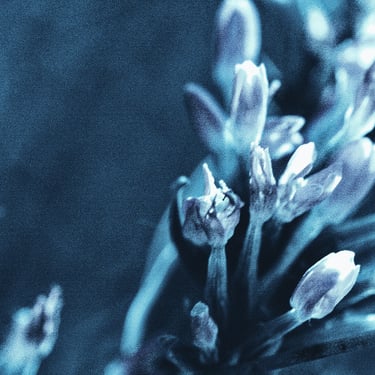
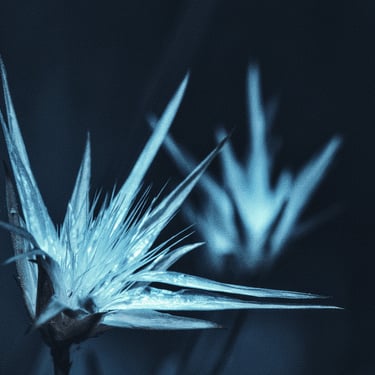
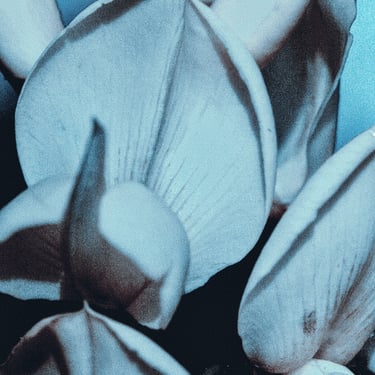
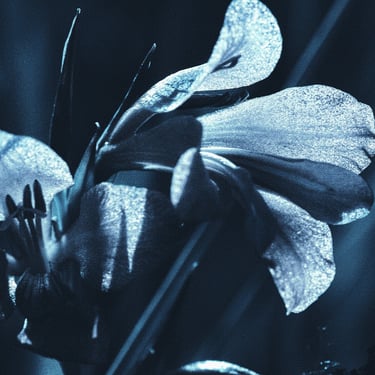
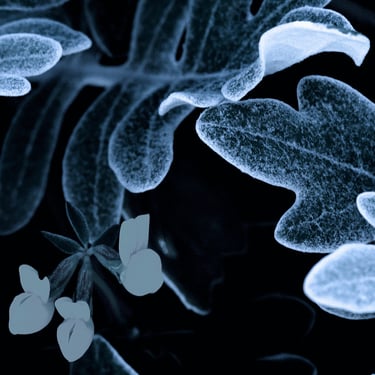
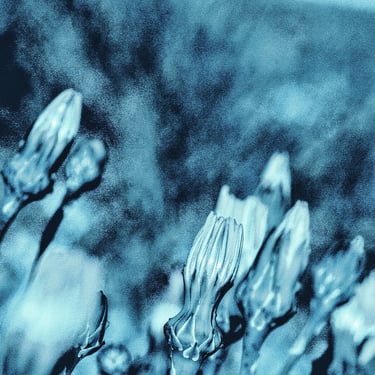
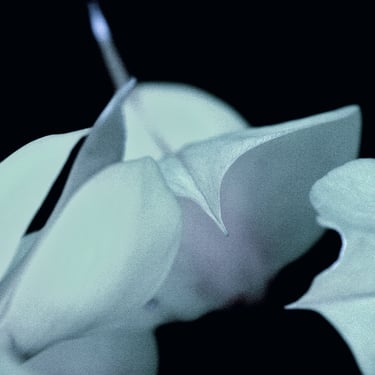
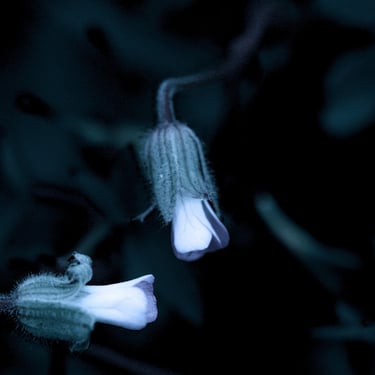
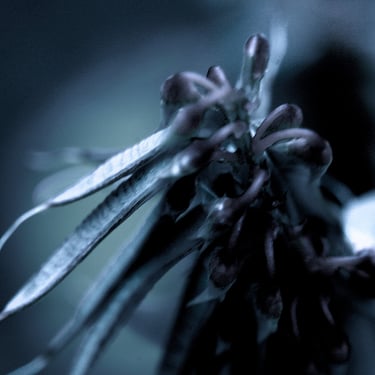
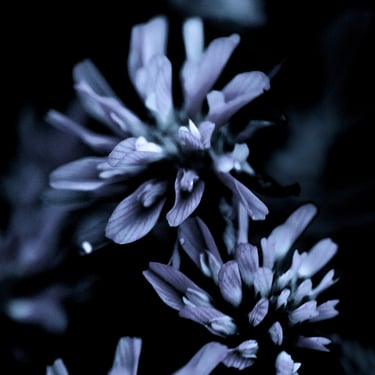
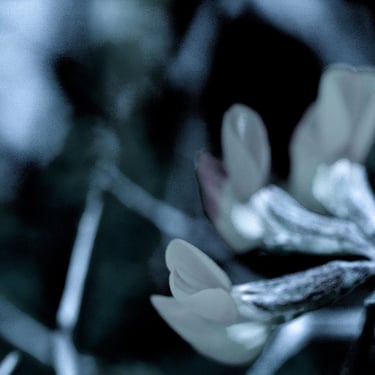
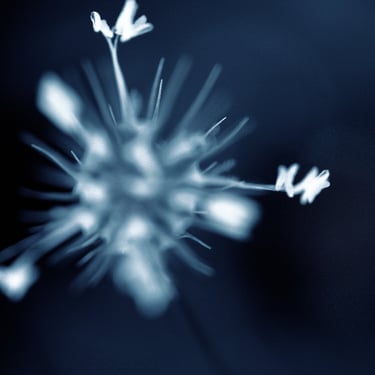
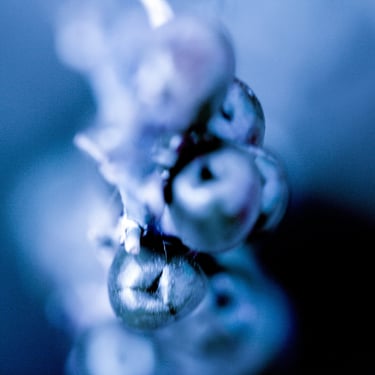
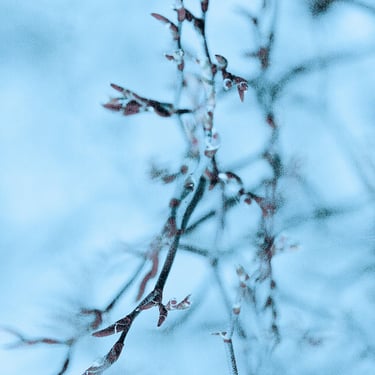
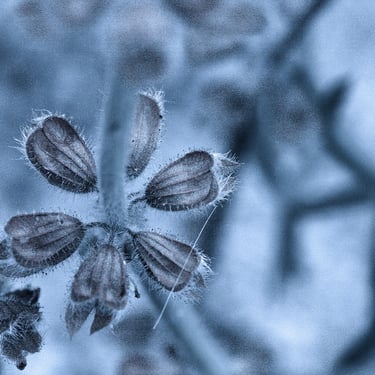
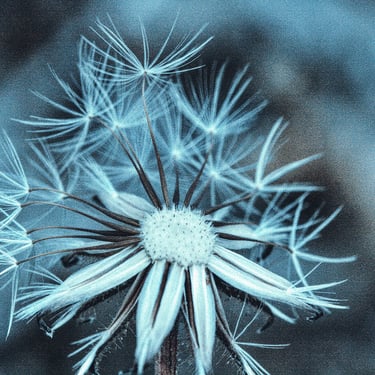
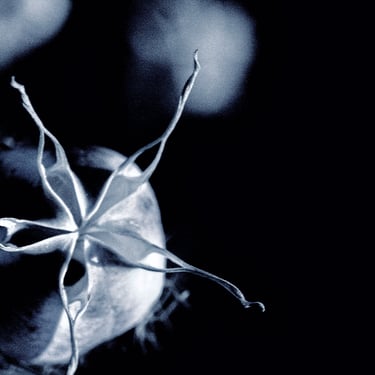
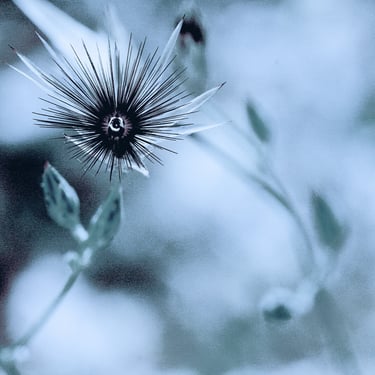
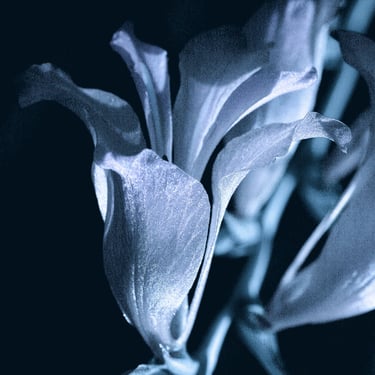
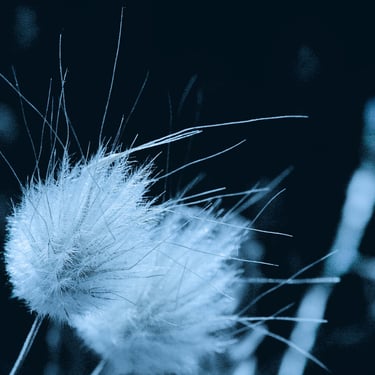
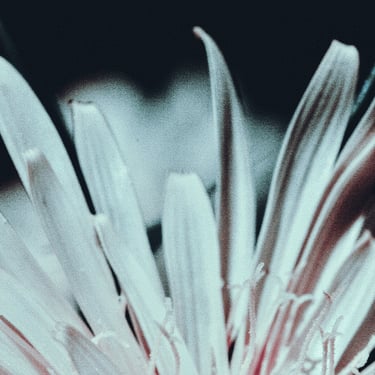
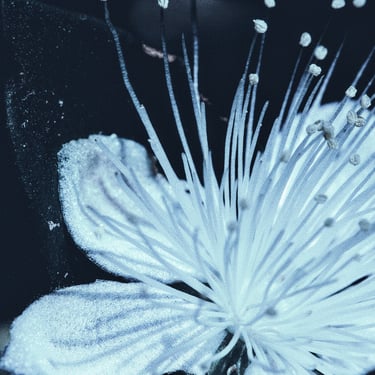
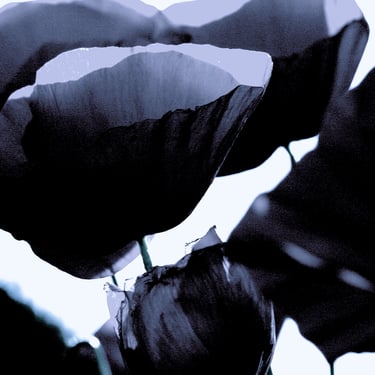
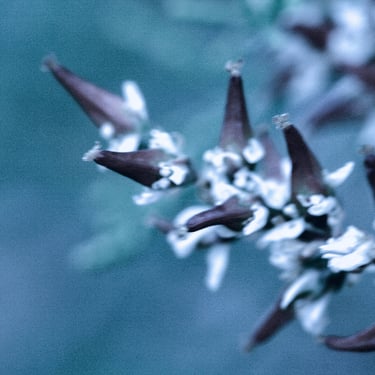
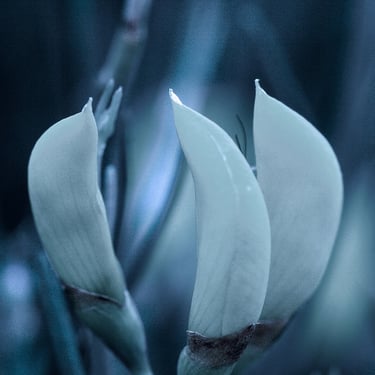
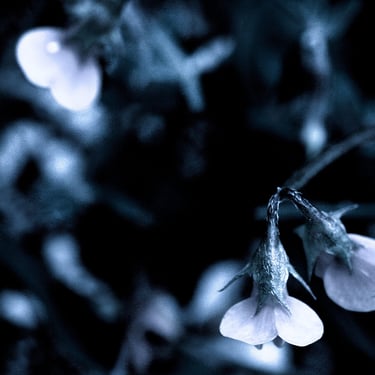
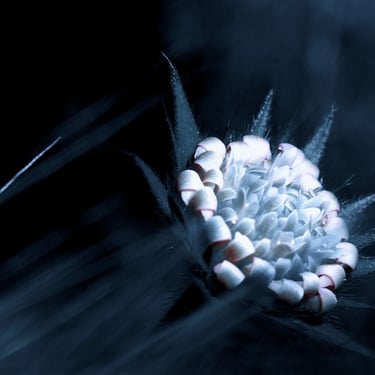
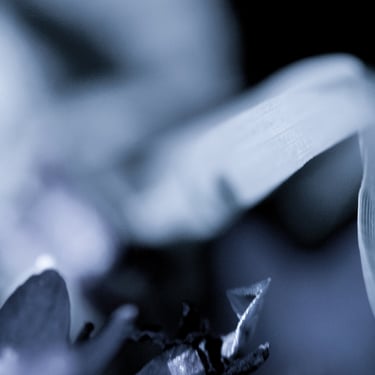
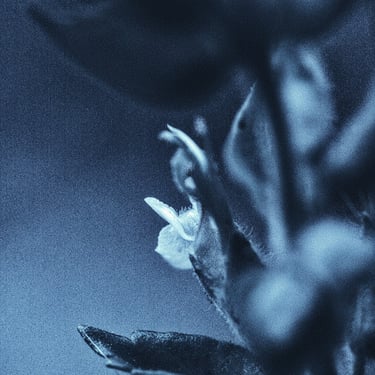
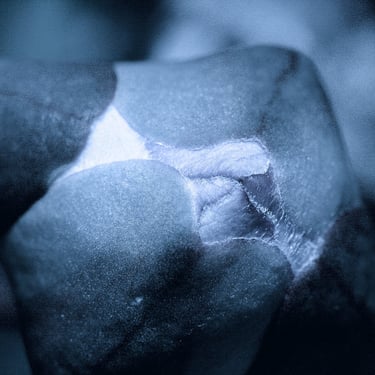
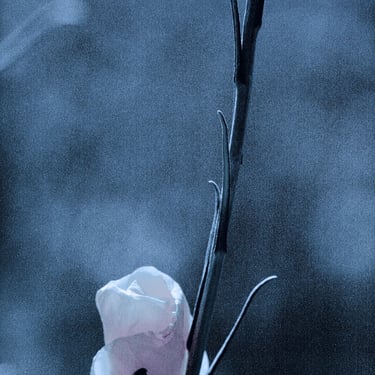
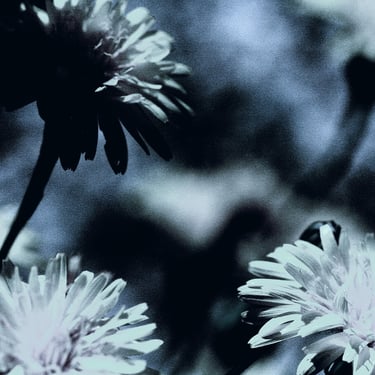
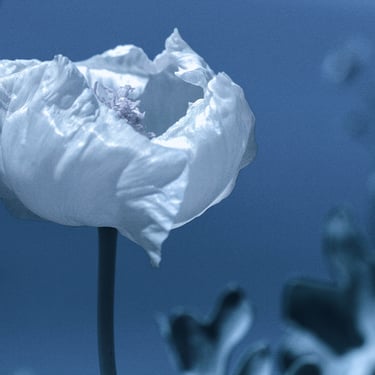
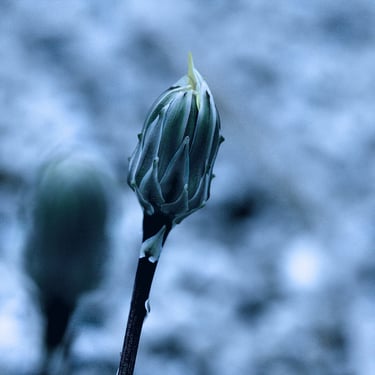
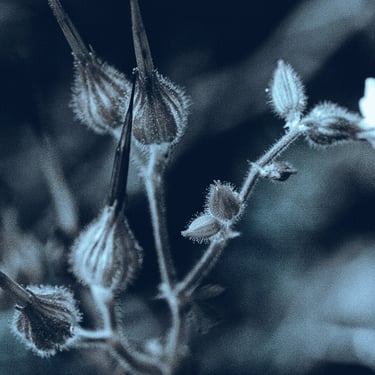
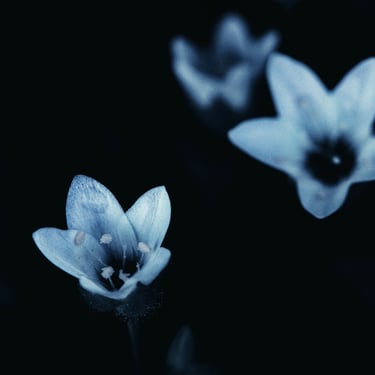
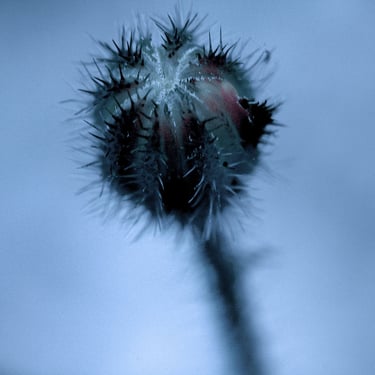
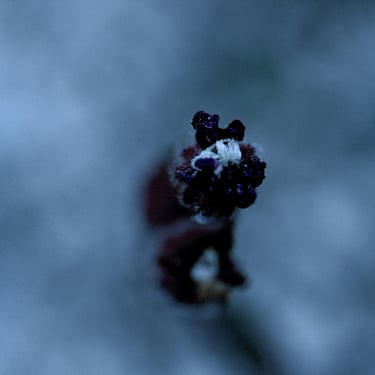
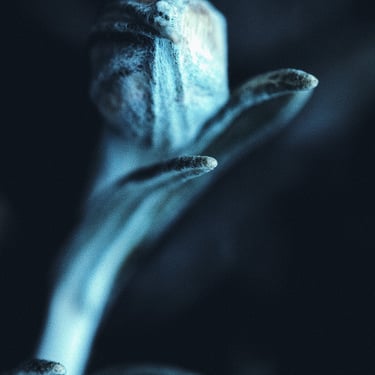
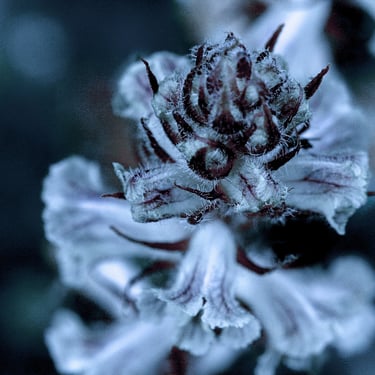
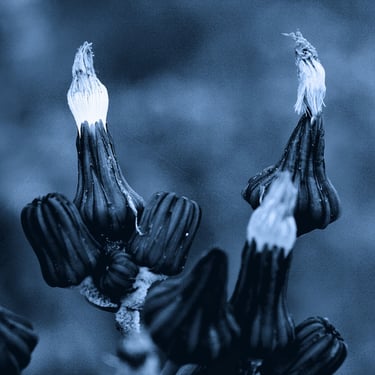
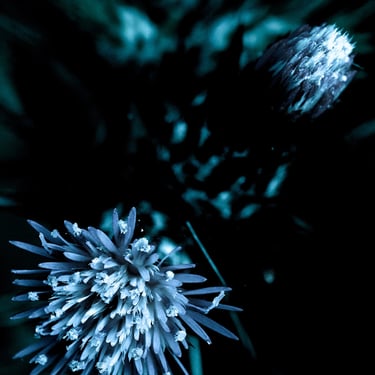
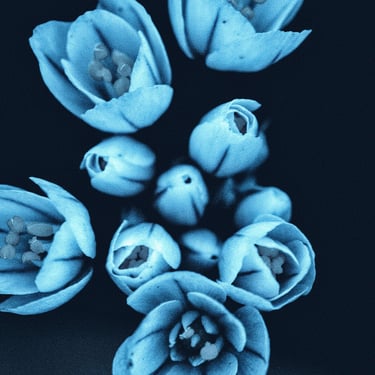
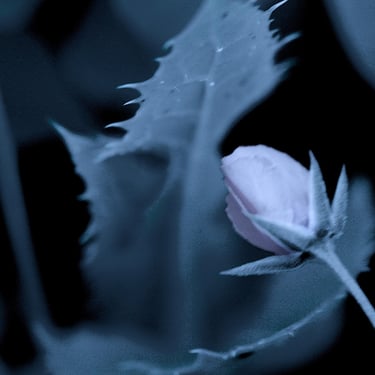
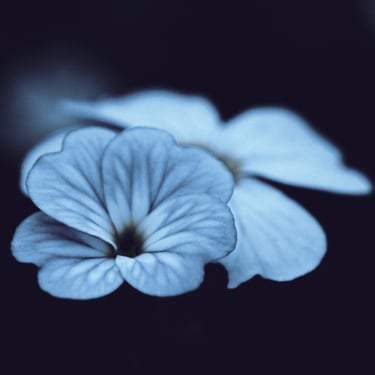
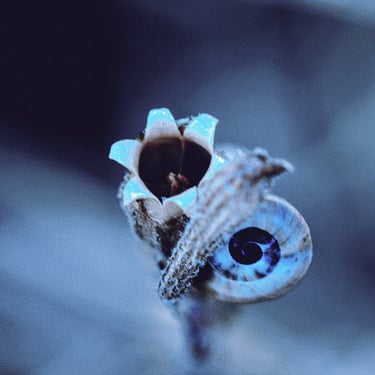
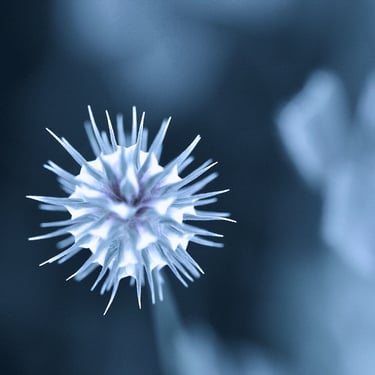
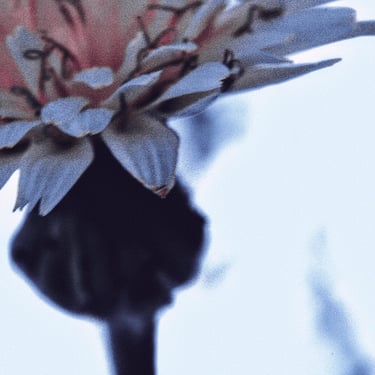
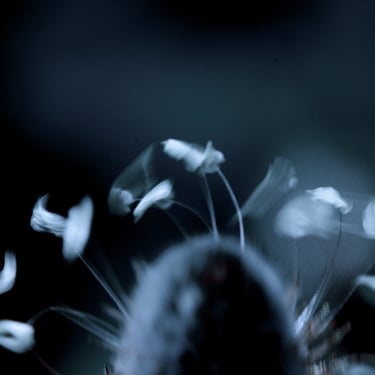
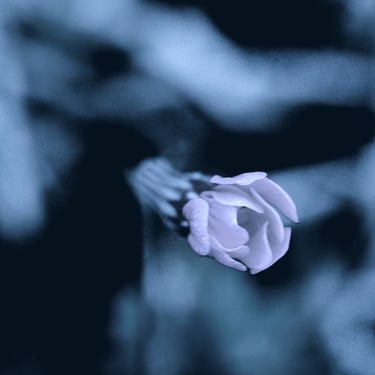
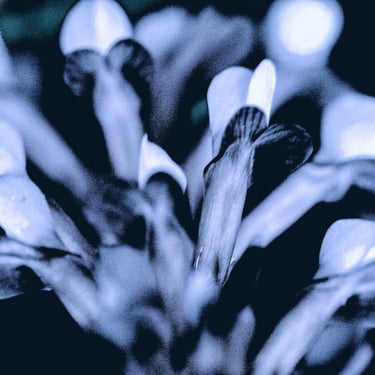
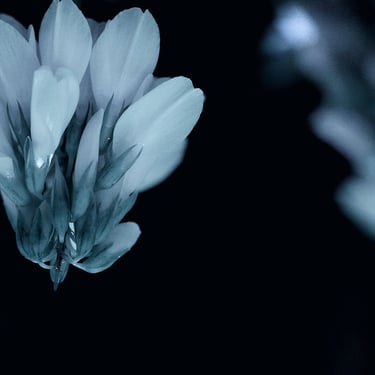
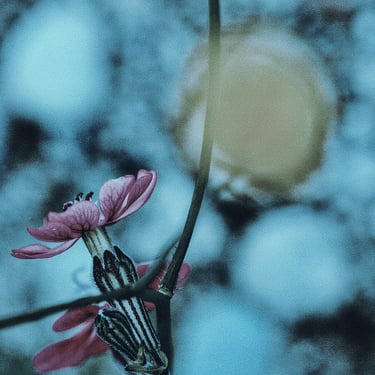
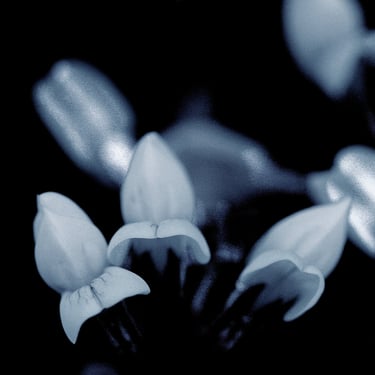
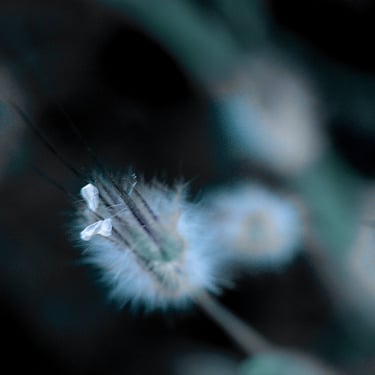
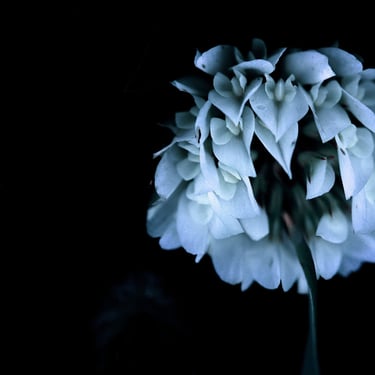
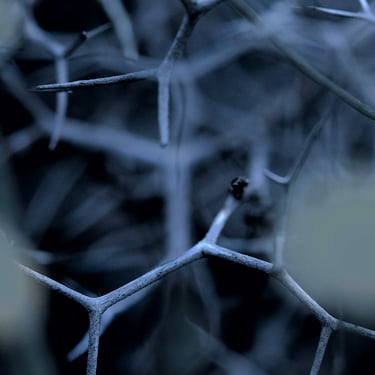
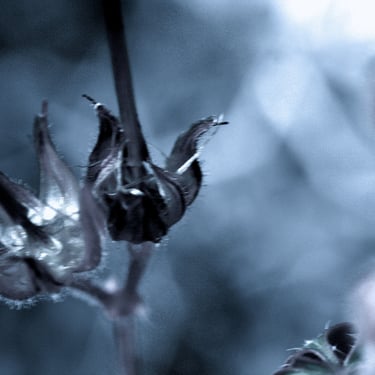
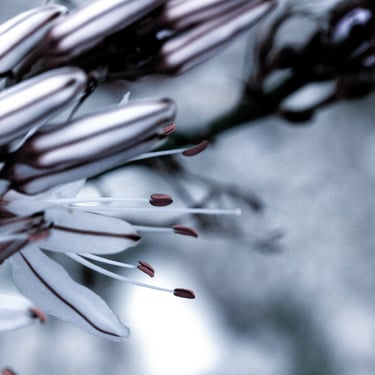
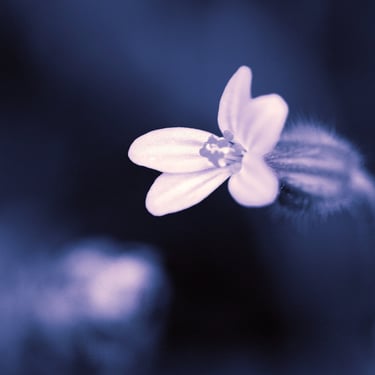
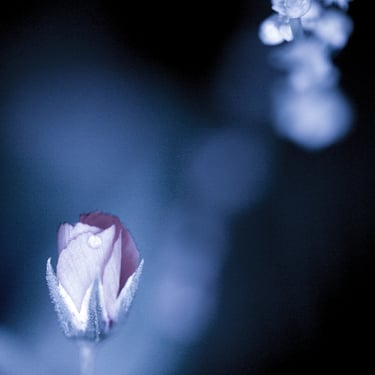
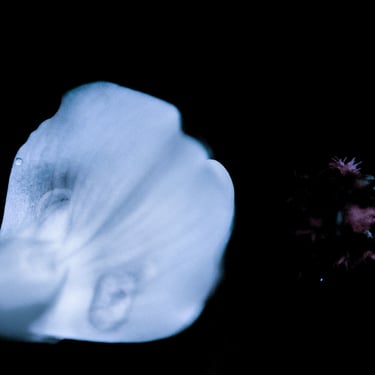
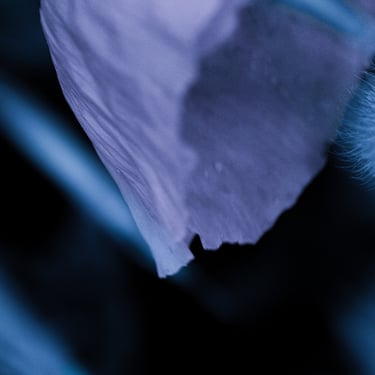
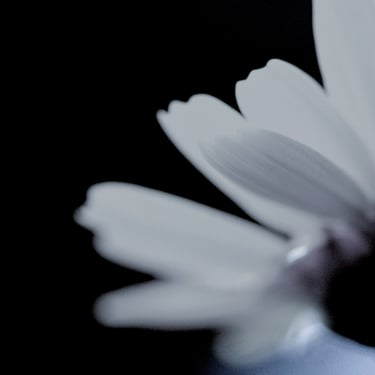
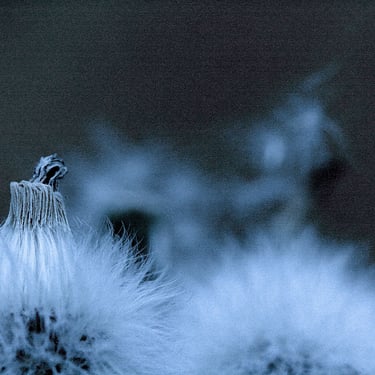
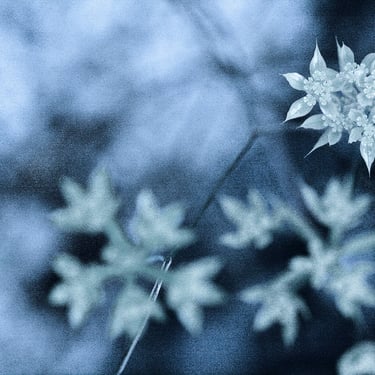
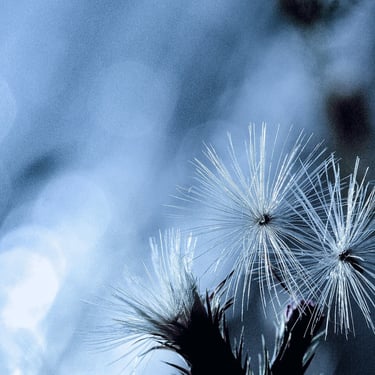
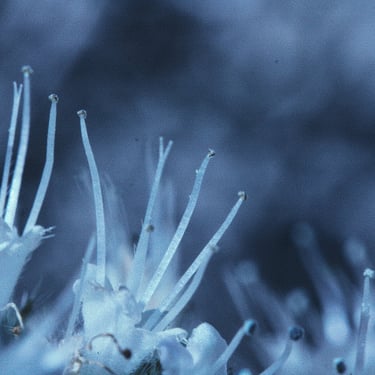
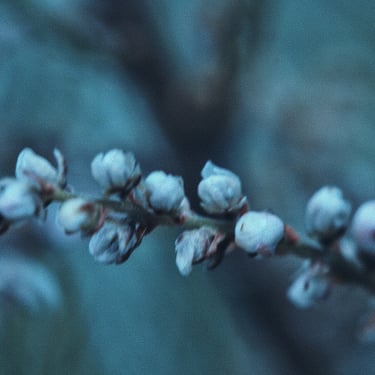
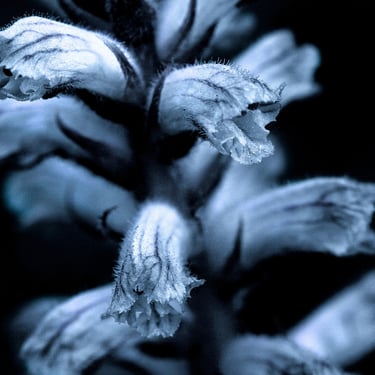
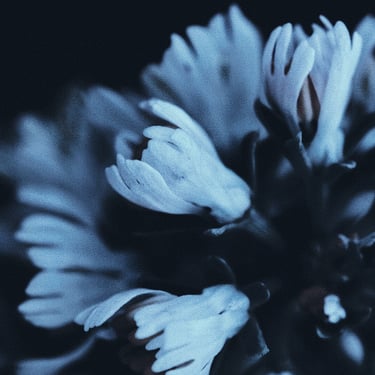
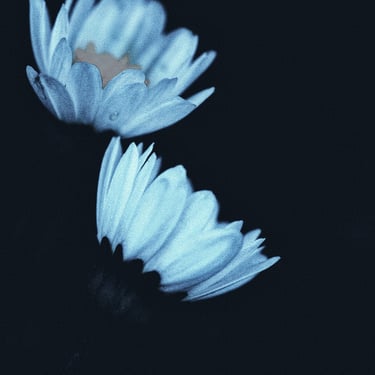
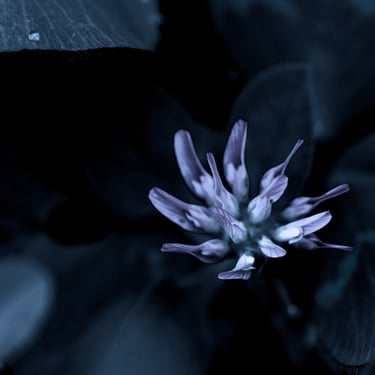
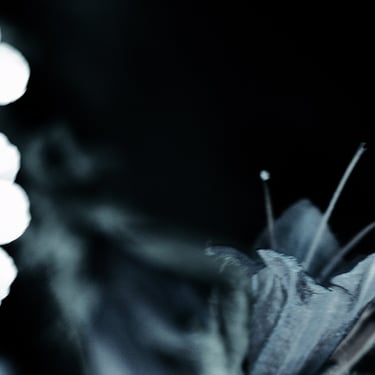
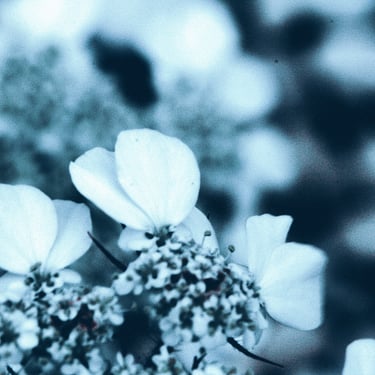
The series is characterized by a distinctive atmospheric quality, creating images where natural light permeates matter, revealing internal structures that are usually invisible to the eye. This technique produces a sense of airy lightness and permeability, as if the photographs themselves are breathing.
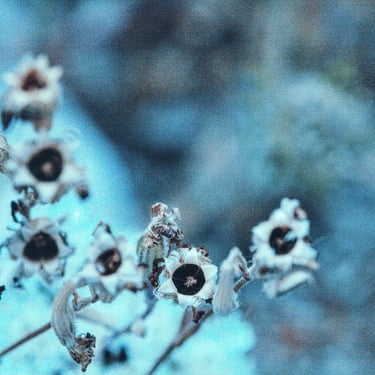
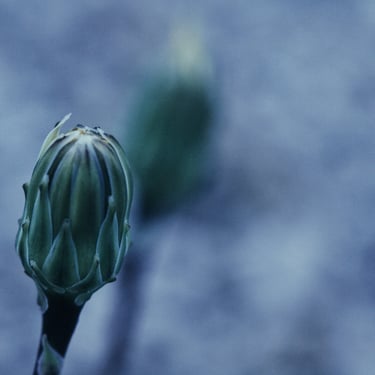
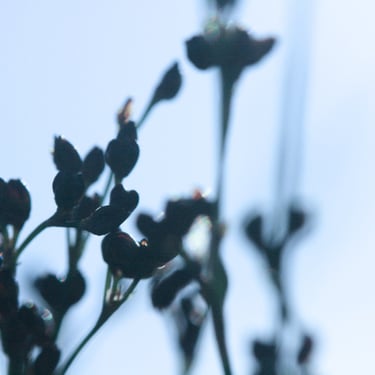
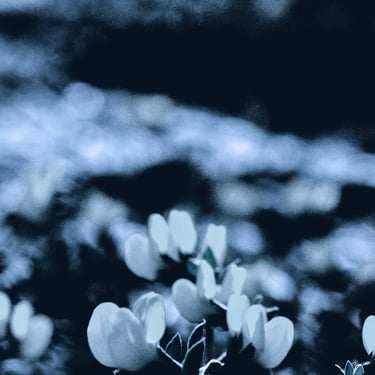
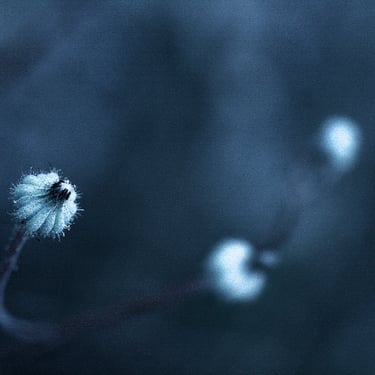
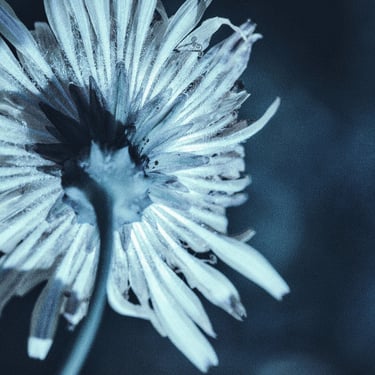
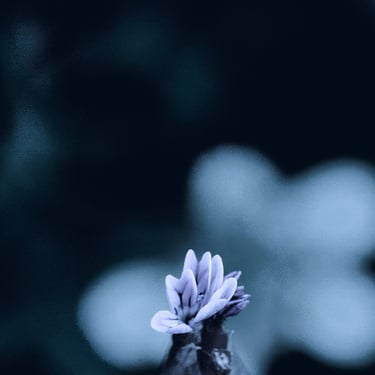
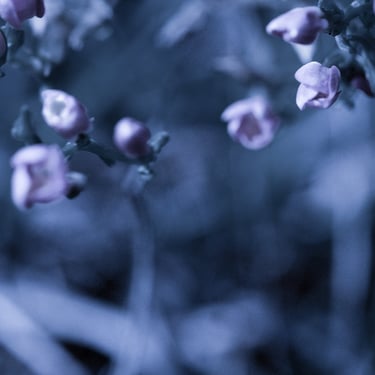
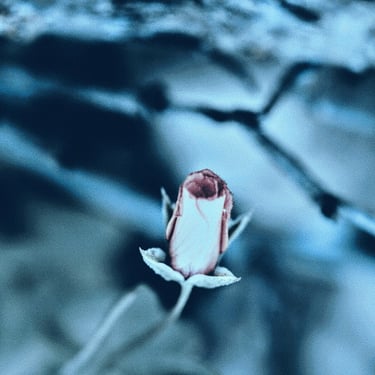
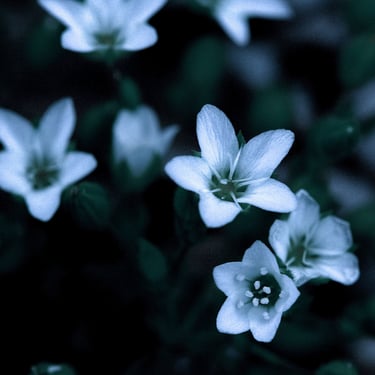
What distinguishes the work is its refusal of the fixity found in the traditional "still life" (νεκρή φύση). Despite the reference to the genre through the exhibition title, these images pulse with vitality. The use of available light—unprocessed and in direct response to the weather and the time of day—endows each photograph with a temporal specificity while, paradoxically, creating a timeless quality.
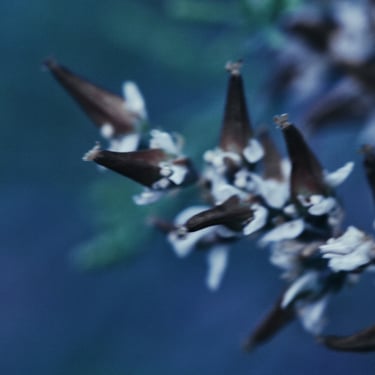
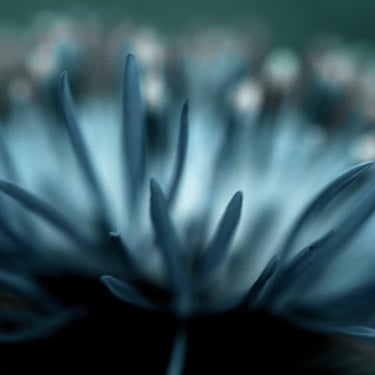
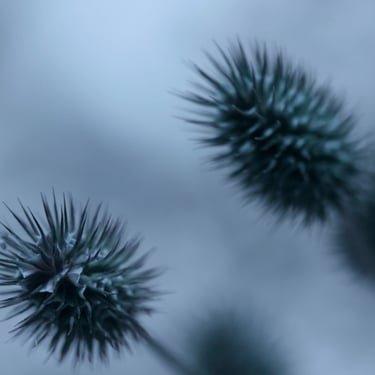
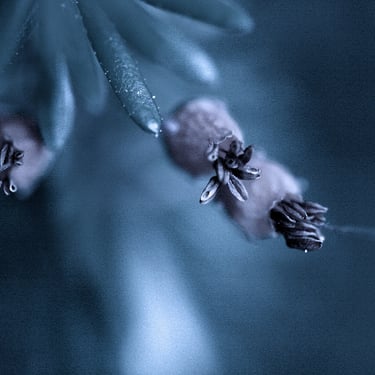
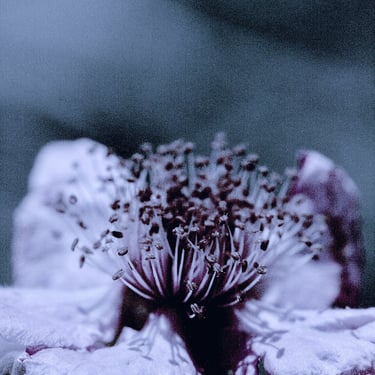
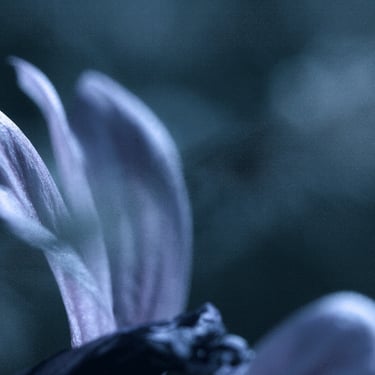
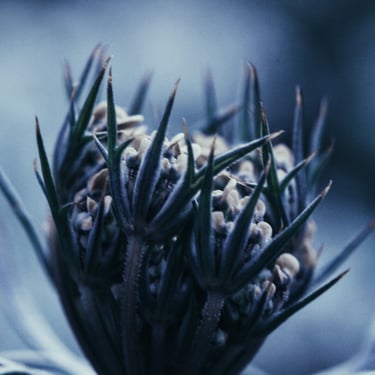
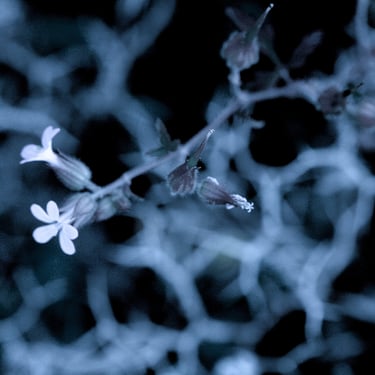
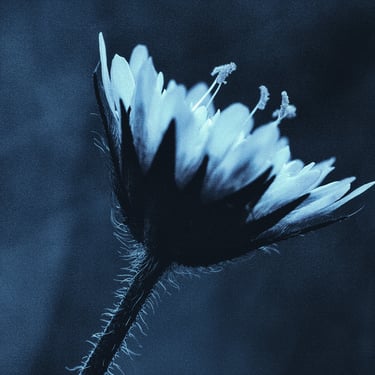
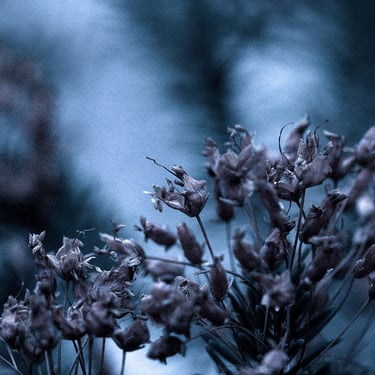
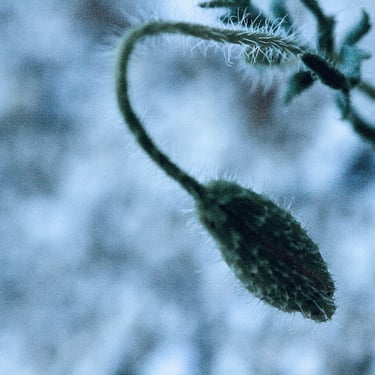
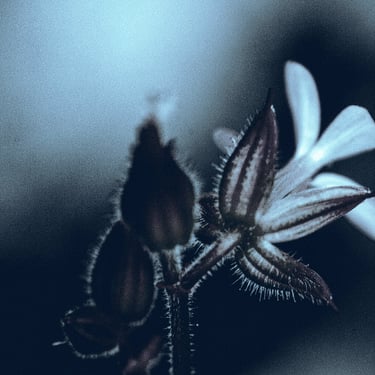
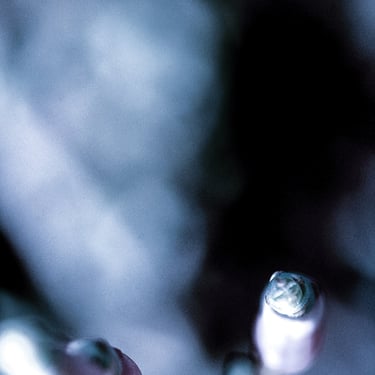
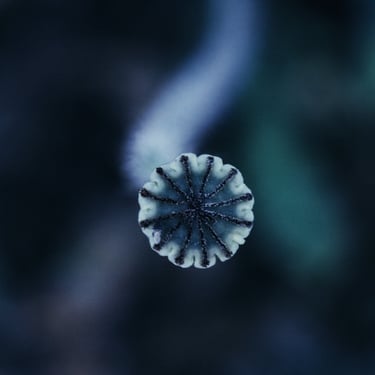
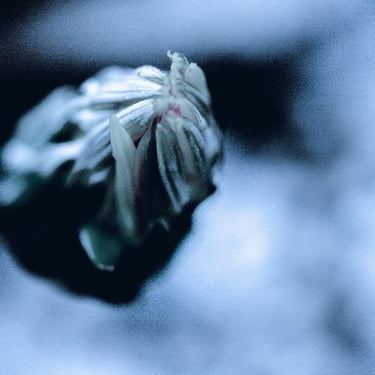
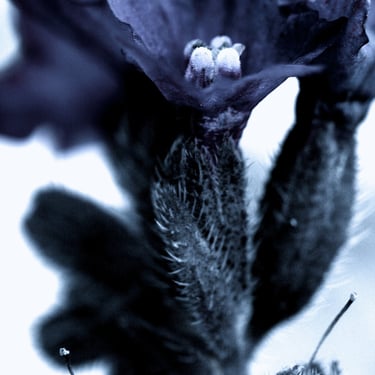
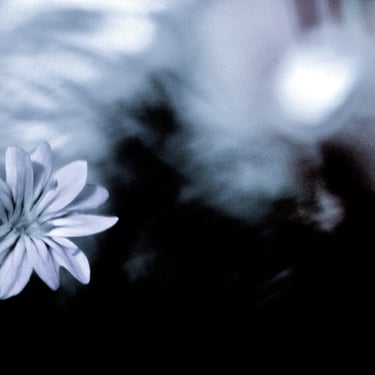
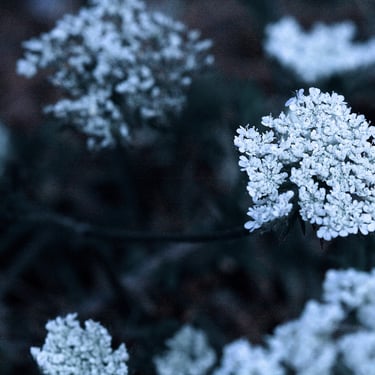
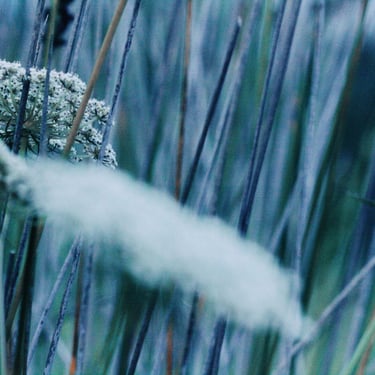
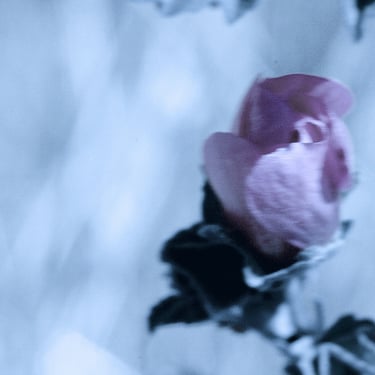
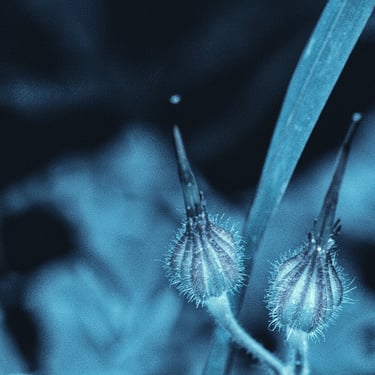
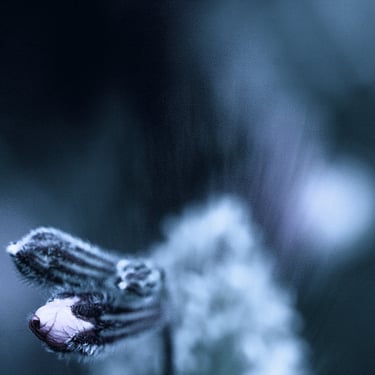
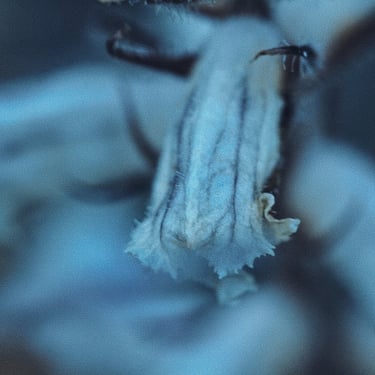
The compositional approach varies intentionally throughout the series. Intimate, macro-visual perspectives draw us into worlds of cellular detail—the fine fuzz on a stem, the color gradient on a single petal. Since these are not cultivated garden specimens but wild flora—flowers that grow unnoticed by the seaside—the work elevates these common plants. Through careful observation and technical mastery, it puts forward a silent argument about value and attention. What we choose to see, the photographs suggest, determines what we choose to preserve.
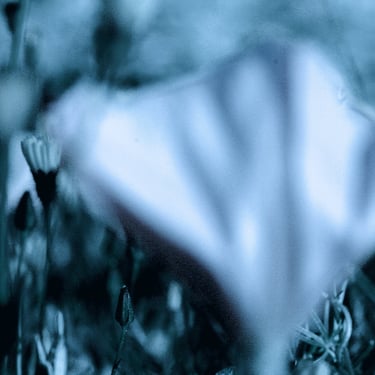
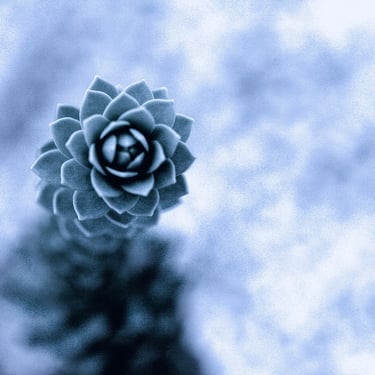
Stilliving operates in the space between documentation and meditation. It does not offer a scientific taxonomy but rather a pure abstraction—an invitation to slow down, to notice, and to reflect on the complex beauty that exists all around us in the most ordinary places. Thus, spring becomes not just a season, but a state of heightened perception, where the ephemeral becomes visible and the overlooked becomes memorable.